Self-Adhesive Roll Labels


Adhesive Polyethylen labels 40x20mm SYNTYRE


Adhesive Polyethylen labels 68x38mm SYNTYRE


Adhesive Polyethylen labels 80x105mm, plastic (PE), strong adhesive SYNTYRE, 76mm core

Adhesive paper labels 100x50mm, Core diameter 40mm


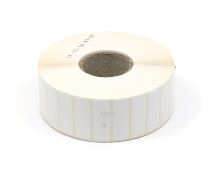

Adhesive Polyethylen labels 30x30mm SYNTYRE

Thermo-label on roll 60x30mm, paper, 200 pcs/pc.

Adhesive paper labels 68x38mm
3,25 EUR
Adhesive paper labels 50x30mm
2,84 EUR
Adhesive paper labels 100x50mm
6,95 EUR
Adhesive paper labels 50x30mm
2,22 EURAdhesive paper labels 100x150mm
15,83 EUR
Adhesive paper thermolabels 150x100mm
19,12 EUR
Adhesive paper labels 50x30mm,red colour
3,78 EUR
Adhesive paper labels 100x70mm
9,41 EUR
Adhesive paper labels 38x25mm
1,60 EUR
Adhesive paper labels 68x38mm
3,25 EURAdhesive paper labels 50x30mm
2,84 EURAdhesive paper labels 100x50mm
6,95 EURAdhesive paper labels 50x30mm
2,22 EURAdhesive paper labels 100x150mm
15,83 EURAdhesive paper thermolabels 150x100mm
19,12 EURAdhesive paper labels 50x30mm,red colour
3,78 EURAdhesive paper labels 100x70mm
9,41 EURAdhesive paper labels 38x25mm
1,60 EURSelf-adhesive labels for direct thermal and thermal transfer printing
Roll labels provide fast and reliable identification of goods, shipments, warehouse locations, products and other items. The correct dimensions, material, adhesive and printing technology should be selected according to the printer and the intended use of the finished label.
Direct thermal labels are printed without a ribbon. Heat from the printhead reacts directly with the heat-sensitive surface of the label, simplifying operation and making this technology suitable for shipping, logistics and other applications where long-term print durability is not required.
Thermal transfer labels are printed using a thermal transfer ribbon. The correct combination of label and ribbon can provide a more durable and long-lasting print depending on the label material and operating environment.
Important selection criteria include label width and height, number of labels across, core and roll diameter, material, adhesive, media sensing method and printing technology. A roll is therefore not automatically compatible with every printer simply because the individual label has the correct dimensions.
Paper labels are suitable for many standard identification applications, while demanding environments may require synthetic or otherwise more durable materials. Adhesive selection depends on the surface, temperature, required lifetime and whether the label needs to remain permanent or be removed later.
For regular high-volume use, we recommend maintaining a proven combination of printer, label and, where applicable, thermal transfer ribbon. This helps provide consistent print quality and reliable media handling.
How to choose roll labels
How do I know whether the labels fit my printer?
Start with the exact printer model. This makes it possible to verify supported media width, maximum roll diameter, core size, label sensing method and printing technology.
What is the difference between direct thermal and thermal transfer labels?
Direct thermal labels react directly to heat from the printhead and do not require a ribbon. Thermal transfer labels are printed using a ribbon and, with the correct materials, can provide greater print durability.
How should I choose the label adhesive?
This depends primarily on the material and surface being labelled, operating temperature and required lifetime. For demanding surfaces or environments, the selected label should be tested before a larger order.
Do I need a thermal transfer ribbon?
Only for thermal transfer printing. Direct thermal printing uses heat-sensitive labels and does not require a ribbon. For thermal transfer printing, the ribbon must be compatible with both the label material and printer.
This online store stores cookies that help it to work properly. By using our services, you agree to their use.