RFID




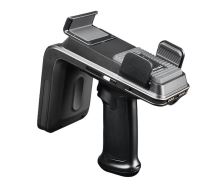
CHAINWAY SR160 Barcode + UHF RFID Scanner / Bluetooth




N-type - SMA (M) cable for 9 and 12dBi RFID UHF antenna - 5m






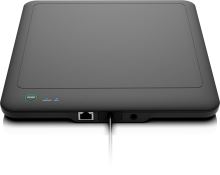
Chainway R3 Desktop RFID Reader
458,80 EUR
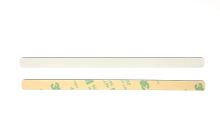
SQUIGGLE - self-adhesive RFID UHF tag
0,39 EUR
Chainway UR1A reader module with integrated 9dBi RFID UHF antenna
461,30 EUR
UHF RFID card with body optimization
3,25 EUR
SQUARE - self-adhesive RFID UHF tag
0,40 EUR
R6 UHF RFID / 2D Sled Reader
653,60 EUR

Module Chainway UR4 UHF RFID four channel
422,60 EUR
Chainway R3 Desktop RFID Reader
458,80 EURSQUIGGLE - self-adhesive RFID UHF tag
0,39 EURChainway UR1A reader module with integrated 9dBi RFID UHF antenna
461,30 EURUHF RFID card with body optimization
3,25 EURSQUARE - self-adhesive RFID UHF tag
0,40 EURR6 UHF RFID / 2D Sled Reader
653,60 EURModule Chainway UR4 UHF RFID four channel
422,60 EURRFID tags, readers, antennas and components for professional applications
RFID enables contactless identification and tracking using radio communication. Our range includes RFID tags, readers, antennas, modules and RFID printing and encoding solutions for warehousing, logistics, manufacturing and asset tracking.
Every RFID solution starts with suitable RFID tags and equipment that communicates with them. Depending on the application, you can use an RFID reader or a fixed installation based on an RFID module and RFID antennas.
UHF RFID is typically used when longer read ranges or the identification of multiple tags are required. Common applications include inventory, logistics, goods tracking and asset management. NFC operates at close range and is suitable when a specific tag should be read deliberately at short distance.
When selecting an RFID tag, consider not only the frequency but also the mounting surface, required read range, dimensions and operating environment. Metal surfaces require tags specifically designed for on-metal installation. For standard labelling applications, adhesive RFID tags can be a suitable choice.
For applications where RFID labels also need to be printed and encoded in larger quantities, see our RFID printing and encoding solutions. The correct configuration depends on the workflow, required read range, number of tags and operating environment.
How to choose an RFID solution
What is the difference between UHF RFID and NFC?
UHF RFID is used when longer read ranges or the identification of multiple tags are required. NFC operates at very short range and is suitable for intentional reading of a specific tag at close distance.
Does an RFID tag need to be visible to the reader?
No. RFID uses radio communication and does not require optical line of sight like a barcode. Actual read range and reliability depend on the tag, reader, antenna, surrounding materials and environment.
Can RFID tags be mounted directly on metal?
Yes, but a tag designed specifically for on-metal applications should be used. Standard RFID tags can perform significantly worse when mounted directly on metal.
What is required for a UHF RFID system?
The basic components are UHF RFID tags and a reader. Fixed installations may use an RFID reader or module, one or more antennas and software that processes the captured data.
This online store stores cookies that help it to work properly. By using our services, you agree to their use.