RFID Readers & Writers




CHAINWAY SR160 Barcode + UHF RFID Scanner / Bluetooth

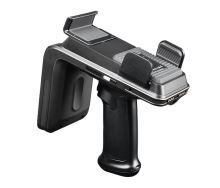


R7 UHF RFID / 2D / Wi-Fi 6 / magnetic mount
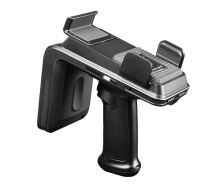
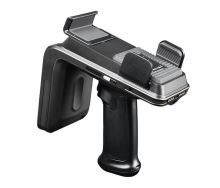
R7 UHF RFID / 2D / Wi-Fi 6 / clip-on mount

R7 UHF RFID Sled Reader / magnetic mount

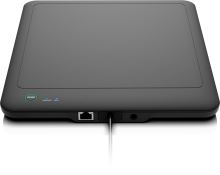
Chainway R3 Desktop RFID Reader
458,80 EUR
R6 UHF RFID / 2D Sled Reader
653,60 EUR
R5 Weareable BT RFID Reader
371,60 EUR
CHAINWAY SR160 Barcode + UHF RFID Scanner / Bluetooth
330,10 EUR
R6 UHF RFID Sled Reader
474,40 EUR
Chainway MR20 wearable BT RFID UHF reader
312,80 EUR
Right hand glove for MR20
56,03 EUR
Left hand glove for MR20
55,99 EUR
CHAINWAY SR160 Barcode + UHF RFID Scanner
292,70 EUR
Chainway R3 Desktop RFID Reader
458,80 EURR6 UHF RFID / 2D Sled Reader
653,60 EURR5 Weareable BT RFID Reader
371,60 EURCHAINWAY SR160 Barcode + UHF RFID Scanner / Bluetooth
330,10 EURR6 UHF RFID Sled Reader
474,40 EURChainway MR20 wearable BT RFID UHF reader
312,80 EURRight hand glove for MR20
56,03 EURLeft hand glove for MR20
55,99 EURCHAINWAY SR160 Barcode + UHF RFID Scanner
292,70 EURRFID devices for mobile and fixed identification
RFID readers provide contactless identification and, depending on the device, can also write data to RFID tags. Handheld, desktop, wearable or fixed readers can be selected for inventory, receiving and dispatch, asset tracking and automated logistics or manufacturing processes.
Handheld RFID readers are suitable when operators move directly among goods or assets. They can be used for inventory, picking and item verification and, depending on the design, may work independently or together with a mobile computer or other device.
Desktop and fixed RFID readers are designed for permanent workstations or automated systems. Typical applications include identifying tagged items at a workstation, during a manufacturing operation or when goods pass through a defined read zone.
The range also includes wearable and sled RFID readers that can, depending on the model, be connected to a mobile computer or used for intensive mobile workflows. The correct design depends on the process, required ergonomics, interface and communication method.
A UHF RFID installation should be considered as a complete system. Read range and reliability depend not only on the reader but also on the UHF RFID tag, and in external systems also the RFID antenna, reader power, tag orientation and operating environment.
Important selection criteria include required read range, mobile or fixed use, number of tags to be identified, communication interfaces, ergonomics and operating conditions. For demanding applications, the complete solution should be tested with the actual tags in the real operating environment.
How to choose an RFID reader
Should I choose a handheld, desktop or fixed RFID reader?
Handheld readers are suitable for mobile workflows and inventory. Desktop readers are designed for fixed workstations, while fixed readers are commonly used in automated processes and defined RFID read zones.
What is the read range of a UHF RFID reader?
Read range is not determined by the reader alone. Reader power, antenna, RFID tag, orientation, material of the tagged object and surrounding environment all influence the result.
Can one RFID reader identify multiple tags at the same time?
With UHF RFID, yes. One of its major advantages is the ability to identify multiple tags quickly within the reader field. Actual performance depends on the device, number and position of tags and operating environment.
Can an RFID reader also write data to tags?
Many RFID devices support both reading and writing, but this depends on the reader model, tag type and available tag memory. Compatibility should be checked for the particular reader and tag combination.
Which RFID reader is suitable for inventory?
Handheld, wearable or sled RFID readers are commonly suitable for mobile inventory workflows. The best option also depends on required read speed, ergonomics and integration with the software or mobile computer being used.
This online store stores cookies that help it to work properly. By using our services, you agree to their use.